
The following four maps are animations that show the growth and development of Marblehead from the earliest colonial times to 2017. This data, from MassGIS shows houses and buildings that still exist. Unfortunately, houses that were torn down and replaced are not included in the data. Each century’s additions are color-coded, and prior additions are preserved in each subsequent map. The animation shows the additions in decade-long steps with indications of the decade just added shown below the causeway connecting Marblehead Neck. Each animation pauses when it reaches the end of its time period, then repeats in a loop for as long as the page is viewed. (For the technically-minded, animated gifs are used to reduce server loading.) For a video of the same maps and sequences, see the Commission’s YouTube channel at Marblehead Growth 1636 to 2017
1600’s
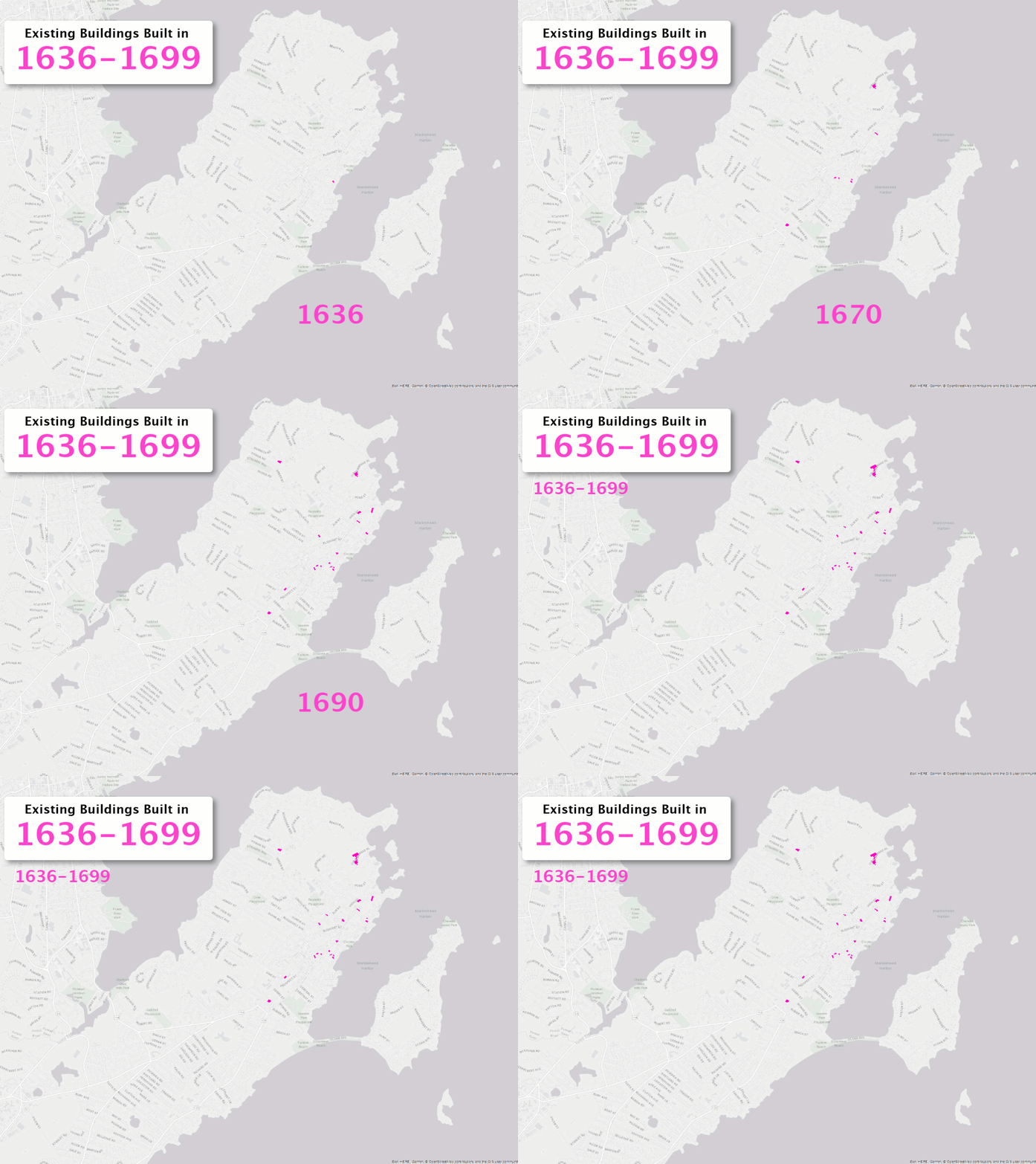
The colored shapes on this map show existing buildings that were built between 1636 and the end of the 17th century. Since most of Marblehead’s early settlement took place in the Little Harbor area at the northeast end of the town, it is likely that many of the earliest buildings were torn down to make way for later houses and buildings.
1700’s
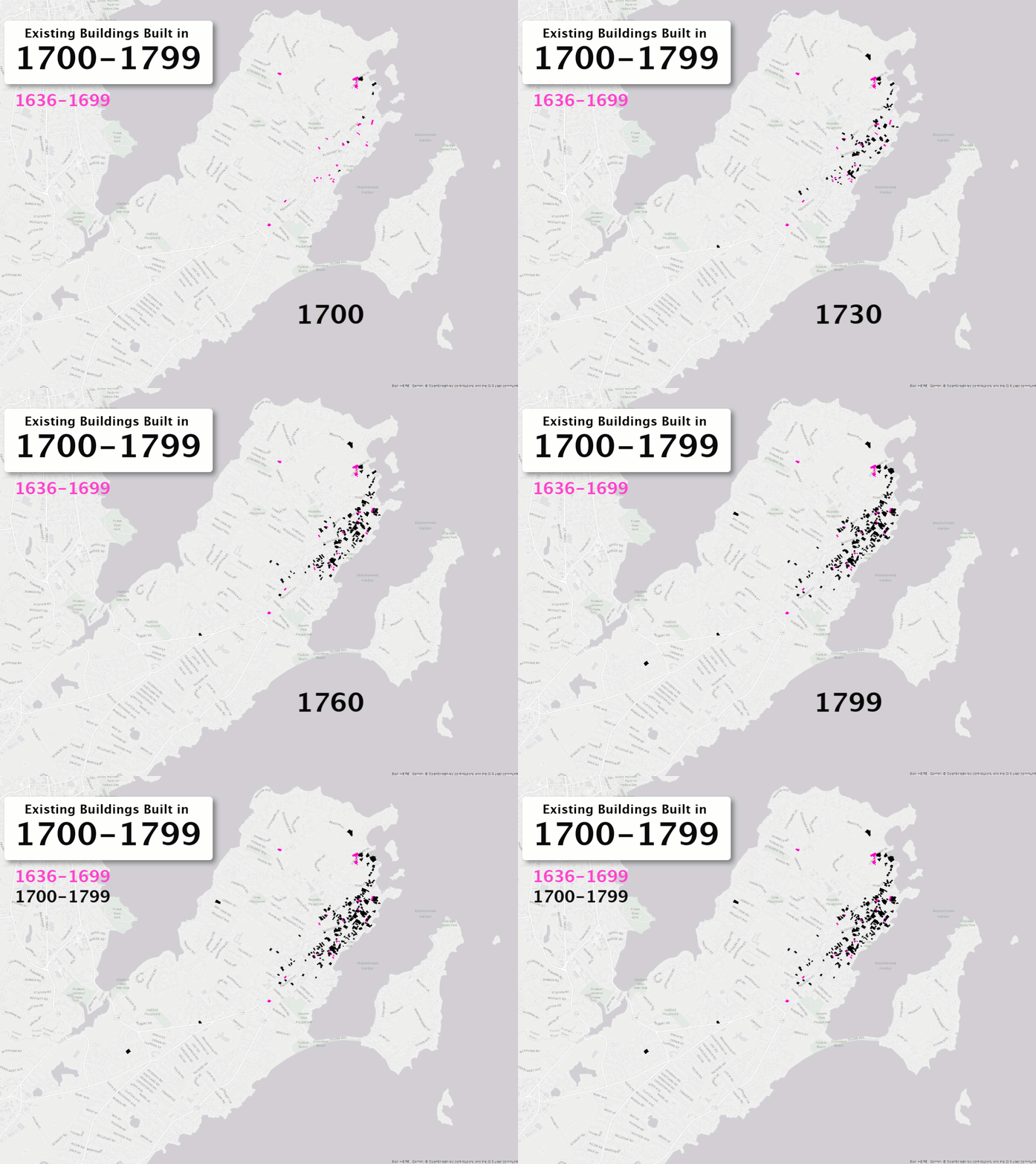
In the 18th century, Marblehead’s growth started to spread along the main harbor and to some of the inland farming areas. In 1760, Marblehead’s population was ranked 6th among all the colonies with an estimated 5,000 people. During this time, it was larger than Salem with an estimated 4,000 people.
1800’s
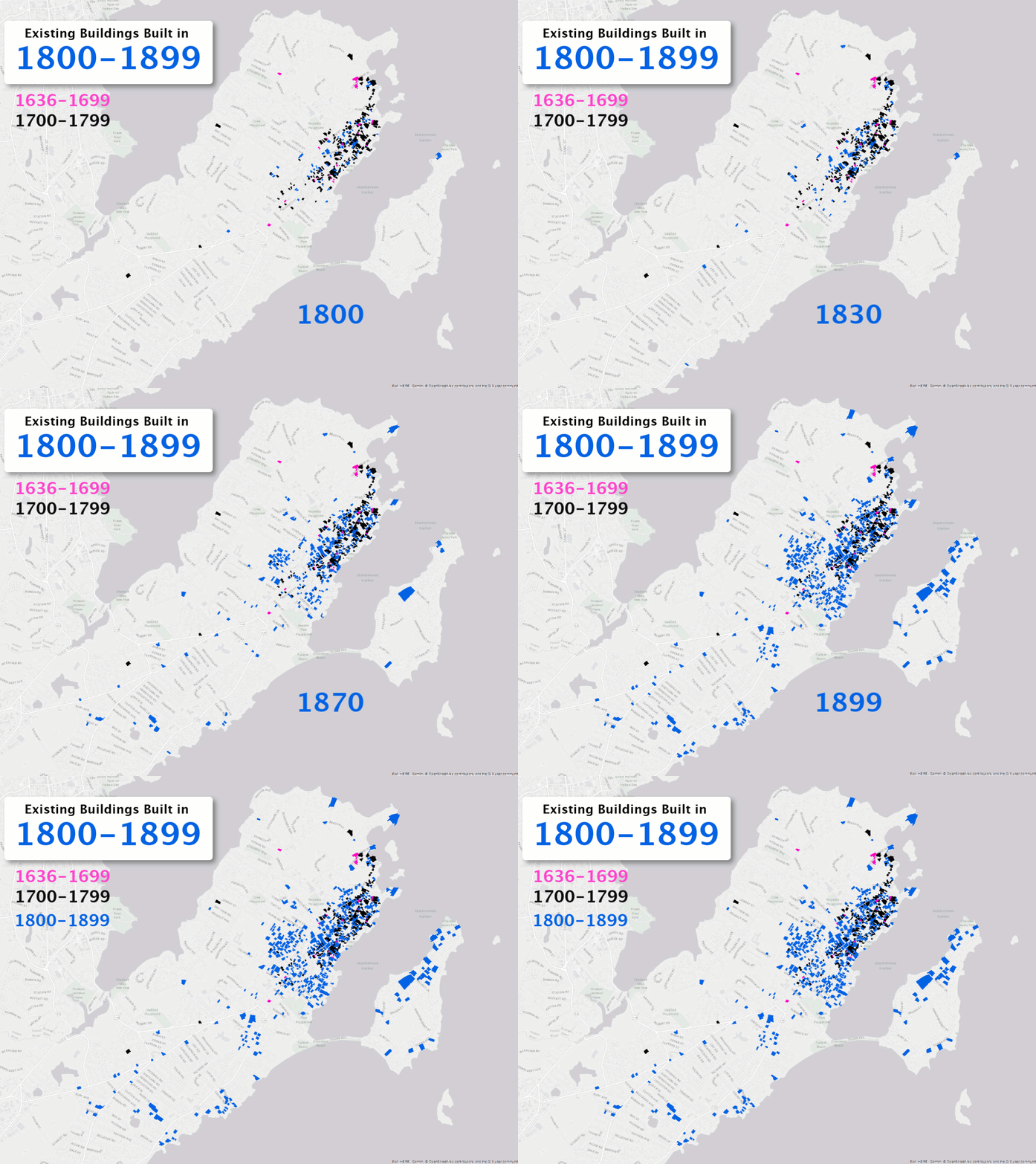
In the 19th century, Marblehead filled in much of the downtown area with houses that still stand. The Neck also became a popular destination for summer visitors and started to grow significantly toward the end of the century. Both the Corinthian and Eastern Yacht clubs were launched during this period. The Eastern Yacht Club was organized in 1870, with the clubhouse on the Neck completed in 1881. The Corinthian Yacht Club was organized in 1885.
1900 to 2017
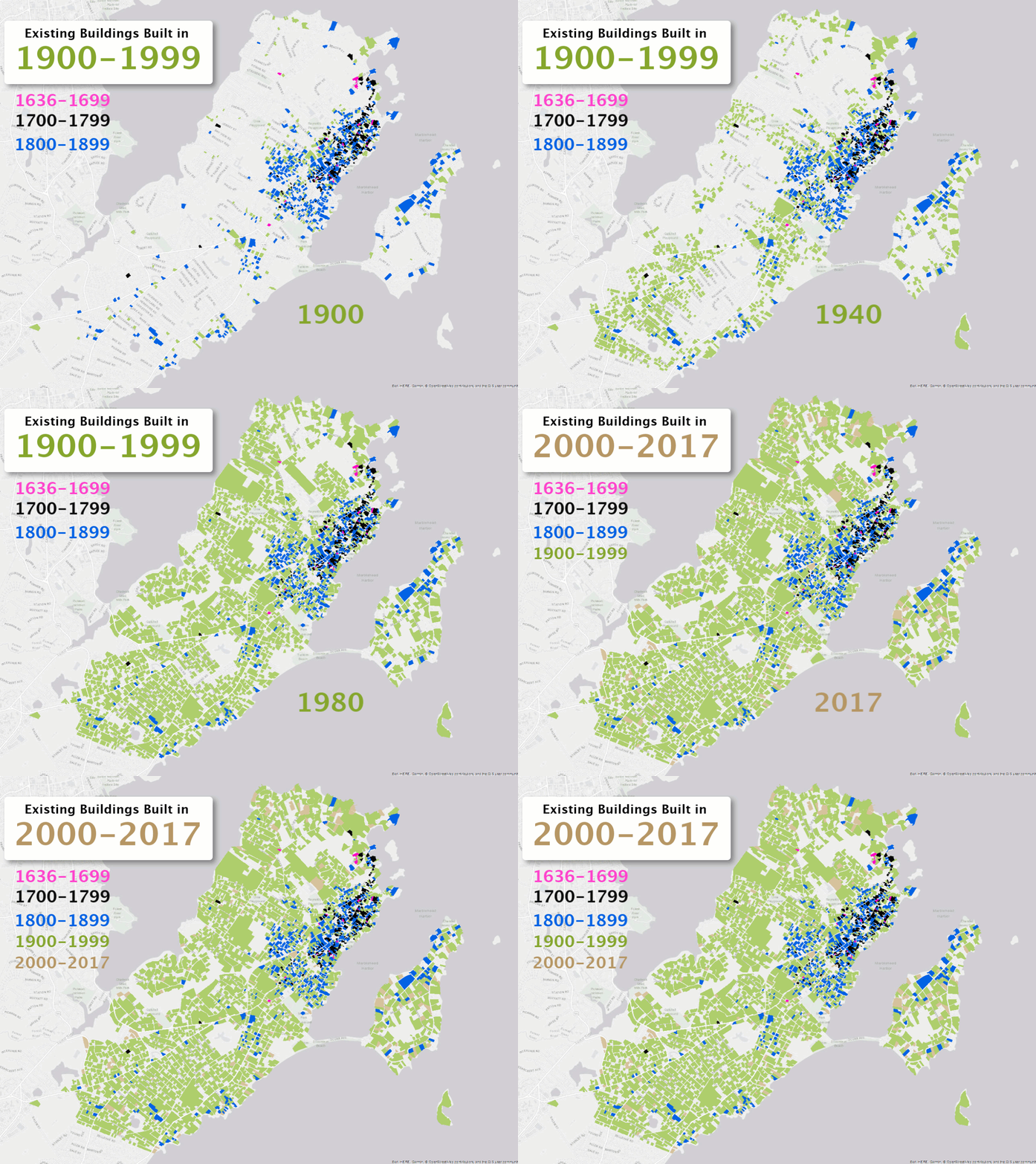
The twentieth century was a time of tremendous growth in Marblehead. As you can see, most of the buildings in the town were built between 1900 and 1999. You can also easily see the how the growth outlines the parks, schools, cemeteries, and conservation areas that were preserved by the town.